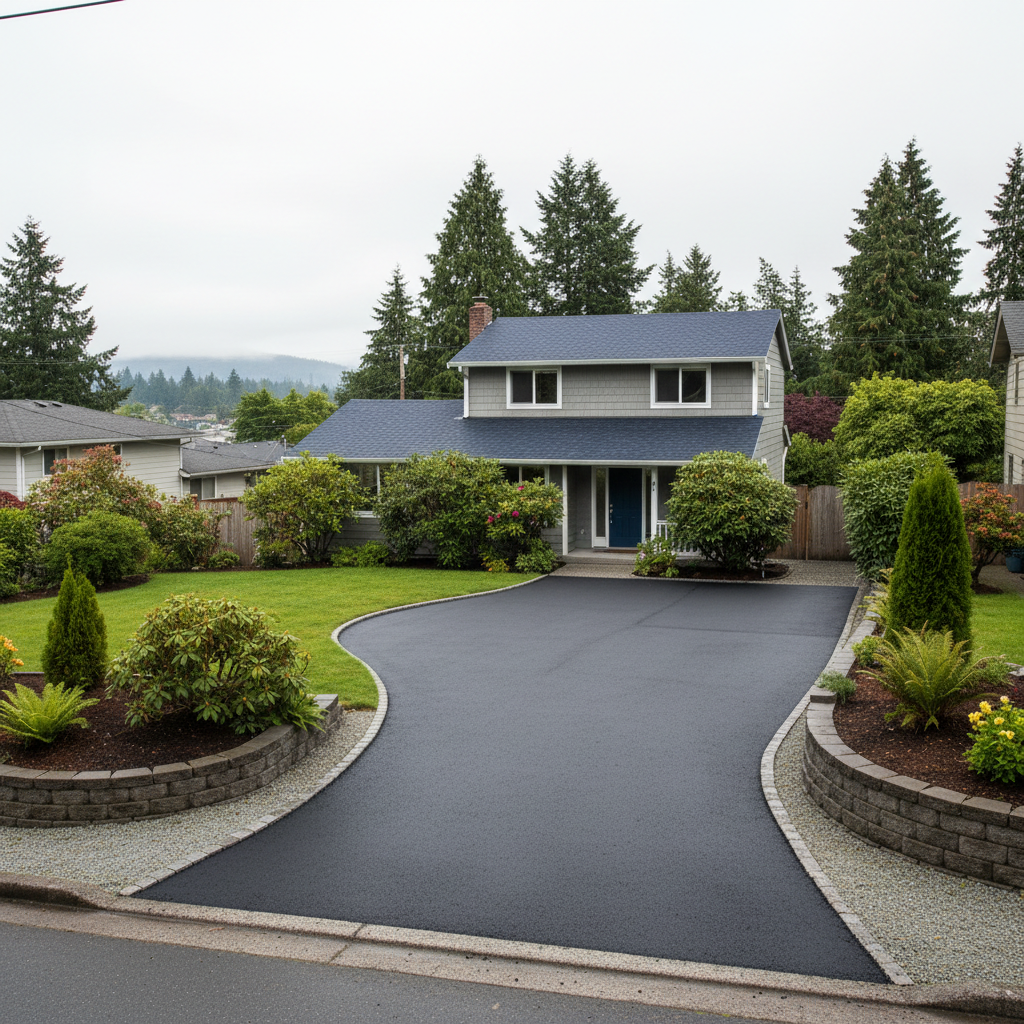
So, you're thinking about getting a new driveway. Maybe yours is cracked up, sinking, or just plain tired. Good call. A new driveway isn't just about curb appeal, it's about safety, drainage, and making your home function better. But it's also a big project, and you want to make sure it's done right. I've seen a lot of driveways come and go around Seattle, and I've got some insights to share.
Timeline: How Long Does This Take?
Let's talk timeline. This isn't a weekend DIY job, and it's not something that happens overnight. From your first call to the final sweep, here's a realistic breakdown:
- Initial Contact & Estimate (1-3 weeks): You'll call a few contractors, schedule site visits, and get bids. Good contractors are busy, especially in the spring and summer, so don't expect someone to show up tomorrow.
- Permits (If Needed - 2-6 weeks): Most residential driveway repaving or resurfacing projects don't need a permit unless you're significantly changing the footprint, grading, or impacting public right-of-way. But if you're expanding, adding drainage that connects to the city system, or building a new driveway from scratch, you might need one. Your contractor should help you figure this out.
- Scheduling the Work (2-8 weeks out): Once you've picked a contractor and signed a contract, you'll get on their schedule. Again, busy season means longer waits. Don't rush this; a good crew is worth waiting for.
- Actual Paving Work (2-5 days): This is the active construction phase. Demolition, grading, base prep, and then laying the asphalt. It's usually a pretty quick process once they start.
- Curing Time (7-14 days before heavy use): Asphalt needs to cure. You can usually walk on it pretty quickly, but you'll want to keep heavy vehicles off it for at least a week, sometimes two, especially if it's hot out.
So, from start to finish, you're probably looking at anywhere from 6 to 12 weeks, depending on the season and the complexity of your project. Don't let anyone promise you a new driveway next week unless they're doing a shoddy job or have a sudden cancellation.
What to Expect During the Process
When the crew shows up, things are going to get loud and dusty for a bit. Here's what usually happens:
- Demolition: If you've got an old driveway, it's coming out. Expect excavators, jackhammers, and dump trucks. This is the messiest part.
- Grading & Drainage: This is critical, especially with all the rain we get here in Seattle. The crew will ensure the ground slopes correctly to direct water away from your house and foundation. We're talking about precise measurements to prevent puddling or runoff issues. This is where a lot of less experienced guys cut corners, and you'll pay for it later.
- Base Preparation: This is the foundation of your driveway. They'll lay down a layer of crushed rock, compact it thoroughly, and make sure it's stable. A good base prevents future cracking and sinking.
- Binder & Top Coat: Then comes the asphalt. Usually, it's laid in two layers: a coarser binder layer for strength, and a smoother top layer for the finish. The asphalt is hot, so you'll see steam. Rollers will compact it down.
- Cleanup: A good contractor will clean up the site, removing debris and leaving your property tidy.
You'll want to keep kids and pets away from the work area for their safety. And be ready for some temporary inconvenience with vehicle access.
How to Prepare Your Property
A little prep work on your end can make the whole process smoother:
- Clear the Area: Move any cars, boats, RVs, or anything else off the driveway and out of the work zone. This includes potted plants, garden hoses, and decorations.
- Trim Landscaping: If you have bushes, trees, or overhanging branches near the driveway, trim them back. This gives the crew room to work and prevents damage to your plants or their equipment.
- Mark Sprinklers/Utilities: If you have an irrigation system, invisible dog fence, or buried utility lines (like low-voltage lighting) running under or near the driveway, mark them clearly with flags or paint. We don't want to hit those.
- Plan for Parking: You won't be able to use your driveway for a while. Figure out where you'll park your vehicles during the demolition and paving, and for the curing period. If you live in a neighborhood like Ballard or Capitol Hill, street parking can be tough, so plan ahead.
- Communicate: Talk to your contractor about any specific concerns or requests you have before they start.
Questions to Ask Before Signing a Contract
This is where you protect yourself and ensure you're getting a quality job. Don't be afraid to ask these questions:
- Are you licensed, bonded, and insured in Washington State? Get their license number and check it. This is non-negotiable.
- Can you provide references? And actually call them. Ask about the contractor's communication, cleanup, and if the project was completed on time and budget.
- What's your warranty? A reputable company like Oasis Asphalt Paving will stand behind their work. Understand what's covered and for how long.
- What's included in the price? Get a detailed breakdown. Does it include demolition, hauling away debris, base material, asphalt thickness, and drainage work? Are there any potential hidden costs?
- What's the thickness of the asphalt? For residential driveways, you typically want at least 2-3 inches of compacted asphalt on top of a well-prepared base.
- How will you handle drainage? This is huge in our climate. Make sure they have a clear plan to prevent water issues.
- What's the payment schedule? Avoid contractors who demand a huge upfront payment. A reasonable deposit is fine, but you shouldn't pay in full until the job is done and you're satisfied.
- Who will be on site? Will it be your crew, or are you subcontracting the whole thing out?
- How long will the project take, start to finish? Get a realistic timeframe.
Choosing a contractor isn't just about the lowest bid. It's about trust, quality, and peace of mind. Do your homework, ask the tough questions, and you'll end up with a driveway that'll serve you well for years to come.