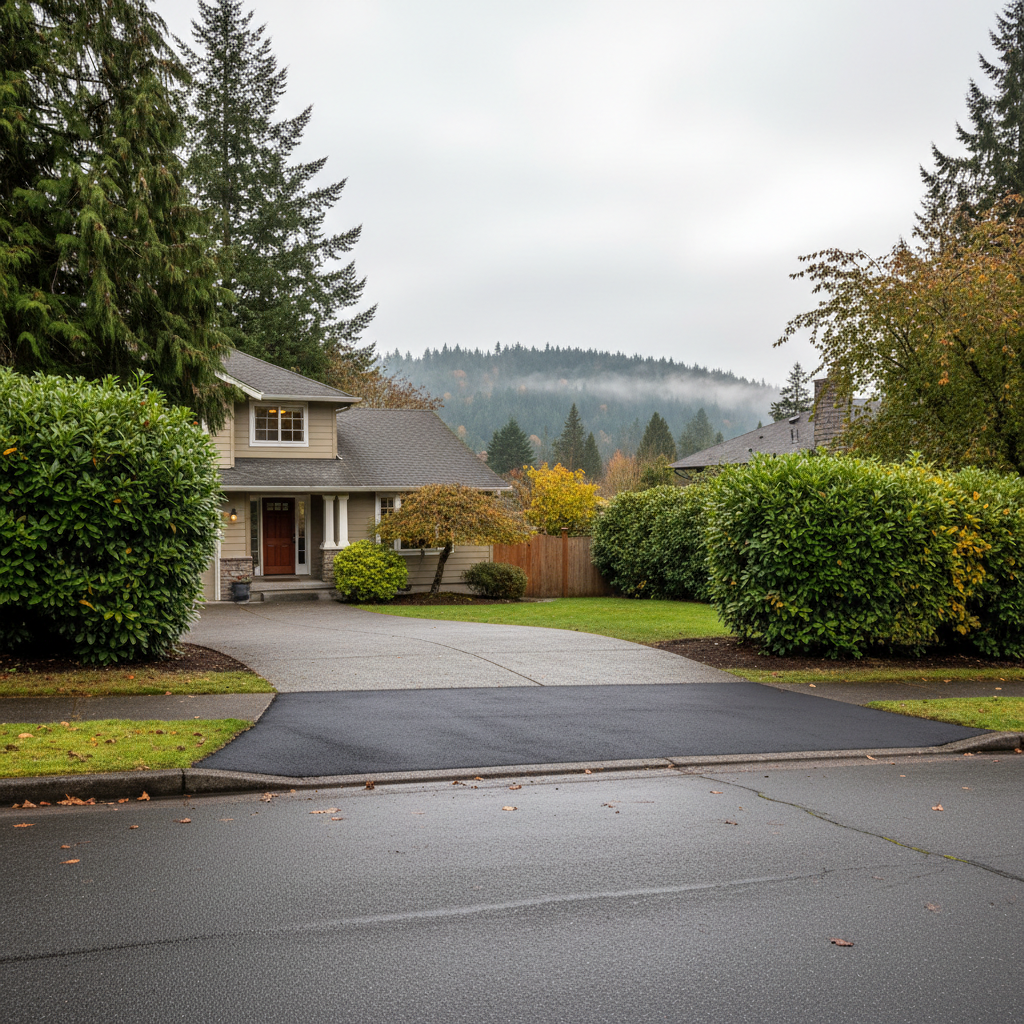
When's the Best Time for Asphalt Repair in Seattle?
You'd think asphalt repair is pretty simple, right? Patch a hole, seal a crack, good to go. But here in Seattle, our weather throws a wrench into things. It's not just about getting the work done; it's about getting it done right so it actually lasts.
The absolute best time for most asphalt repairs, especially larger patching jobs or resurfacing, is during our drier, warmer months. That means late spring, summer, and early fall. Think May through September, maybe even into October if we get a nice stretch. Why? Asphalt needs to cure properly. It's applied hot, and it needs consistent warmth to compact and bond effectively. If it's too cold, or if it rains too soon after application, you're looking at a weaker repair that won't stand up to our wet winters.
Now, I know what you're thinking: "But I have a pothole NOW!" For smaller, urgent repairs like filling a dangerous pothole, we can often use cold patch asphalt in a pinch. It's a temporary fix, though. It won't last as long or look as good as a hot asphalt repair, but it'll make your driveway safe until the weather cooperates for a permanent solution. Don't let a small crack turn into a major headache just because you're waiting for summer – sometimes a temporary fix is better than nothing.
Weather Conditions That Matter for Asphalt Work
It's not just about the month; it's about the day-to-day conditions. Here's what we look for:
- Temperature: We need ambient temperatures to be consistently above 50°F, ideally closer to 70°F, for hot asphalt to be applied and cure correctly. Below that, the asphalt cools too quickly, making it hard to compact properly.
- Moisture: This is a big one for us in the Pacific Northwest. The surface needs to be dry. Completely dry. If there's standing water, or even just a damp surface, the new asphalt won't bond well to the existing pavement. That's why those dry spells are so crucial. We're not just waiting for a sunny day; we're waiting for a few sunny days to dry things out.
- Wind: While not as critical as temperature or moisture, excessive wind can cool the asphalt mix too quickly, especially on larger jobs. It’s usually not a deal-breaker, but it’s something we consider.
This is why scheduling can sometimes feel like a dance with Mother Nature. We might have to adjust dates based on the forecast. We're not trying to be difficult; we're trying to ensure your repair lasts.
Protecting Your Asphalt Investment Year-Round
You've put money into your driveway, so you want it to last. Here's how you can protect it, no matter the season:
- Keep it Clean: Leaves, dirt, and debris can trap moisture against the asphalt, leading to deterioration. Sweep or blow off your driveway regularly, especially during the fall.
- Address Spills Immediately: Oil, gas, and other automotive fluids are asphalt's enemies. They break down the binder in the asphalt. Clean up spills right away with an absorbent material.
- Mind the Edges: The edges of your driveway are often the weakest points. Avoid driving heavy vehicles right on the edge, and make sure any landscaping or soil isn't constantly eroding away from the sides.
- Sealcoating: This is your asphalt's sunscreen and raincoat. A good sealcoat every 2-3 years protects against UV rays, water penetration, and general wear and tear. It's a preventative measure that extends the life of your driveway significantly. For Seattle driveways, with all our rain, sealcoating is even more important. It helps repel water, preventing it from seeping into the sub-base and causing cracks or potholes during freeze-thaw cycles (even if our freezes aren't as harsh as other places, it still happens, especially in areas like the Snoqualmie Valley).
- Crack Filling: Don't ignore those small cracks! They're entry points for water. Water gets in, freezes, expands, and turns a small crack into a big pothole. Filling cracks promptly is one of the most cost-effective ways to prevent major damage.
We see a lot of driveways here at Oasis Asphalt Paving, and the ones that last the longest are the ones that get a little regular attention. It's like anything else – a little maintenance goes a long way. If you're unsure about the best approach for your driveway, give us a call. We're always happy to take a look.