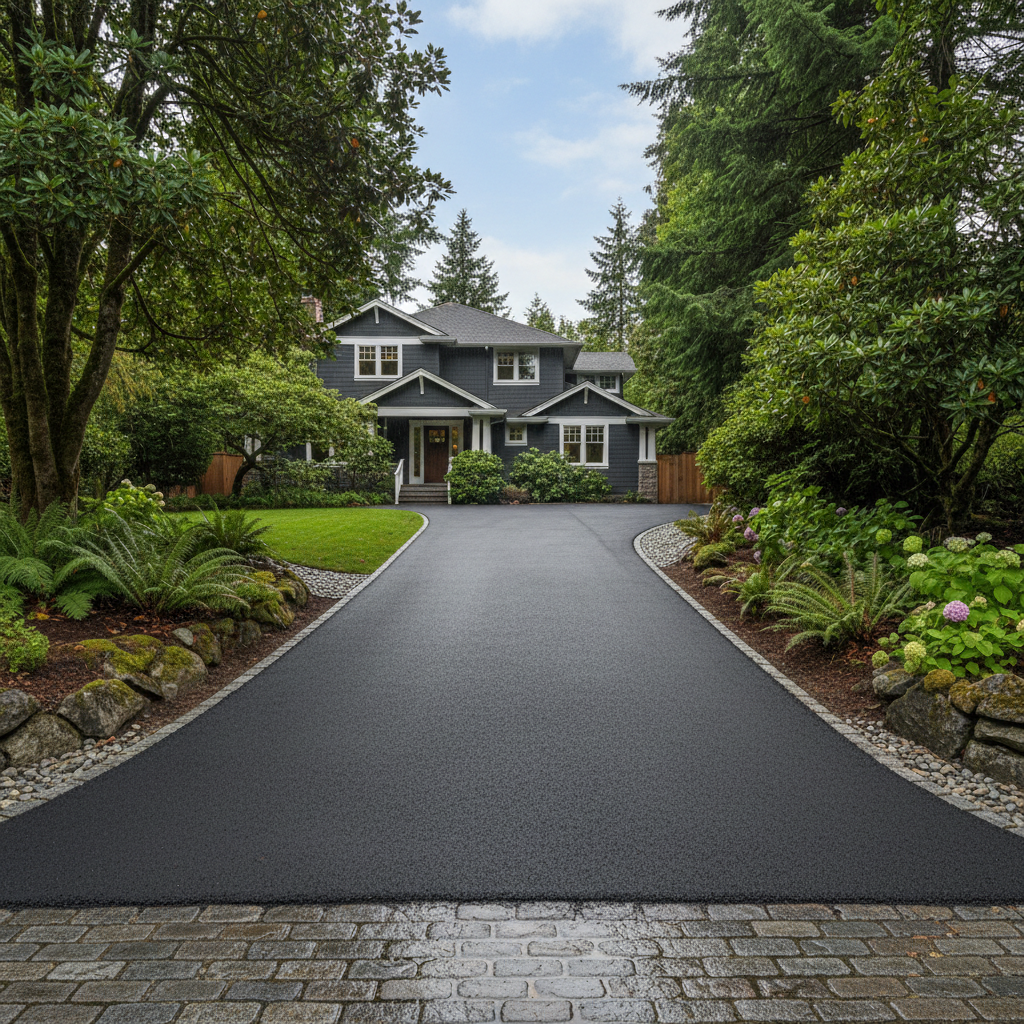
Look, your driveway isn't just a slab of asphalt or concrete; it's an investment. You spent good money getting it put in, and you want it to last. Especially with our Seattle weather – all that rain, the freeze-thaw cycles we sometimes get, and even the moss that loves to grow here – a little neglect can turn into a big headache fast. I've seen it countless times. So, let's talk about how to keep your driveway looking good and functioning right for years to come.
Extending Your Driveway's Life: The Long Game
The biggest thing you can do to extend the life of your driveway, whether it's asphalt or concrete, is to protect it from the elements and heavy loads. For asphalt, that means proper sealing. I recommend sealing your asphalt driveway every 2-3 years, sometimes sooner if it sees a lot of sun exposure or heavy traffic. A good quality sealer protects against UV rays, water penetration, and oil spills. It's like sunscreen for your driveway. For concrete, sealing is also crucial, but you're typically looking at a longer interval, maybe every 3-5 years, to protect against moisture and prevent surface spalling.
Another big one is drainage. If water is pooling on your driveway, it's going to cause problems. Water is the enemy of pavement. It seeps into cracks, freezes, expands, and then you've got potholes or bigger cracks. Make sure your gutters are clean and downspouts are directing water away from the driveway. If you've got low spots where water collects, that's a red flag you'll want to address.
Finally, watch the weight. Heavy vehicles, like RVs or construction equipment, can put a lot of stress on your driveway, especially if it wasn't designed for that kind of load. Try to avoid parking them on your driveway for extended periods if you can help it. If you're getting a delivery of gravel or something heavy, ask them to drop it in the street if possible, or at least spread the load out.
Regular Maintenance: Your Weekly & Monthly Chores
This isn't rocket science, but it makes a difference. Here's what you should be doing:
- Keep it clean: Sweep off leaves, dirt, and debris regularly. Especially in the fall, those wet leaves can hold moisture against the surface, encouraging moss growth and deterioration. A pressure washer can be good for concrete, but be careful with asphalt – too much pressure can damage the surface.
- Deal with spills immediately: Oil, gas, or chemical spills can eat away at asphalt and stain concrete. Absorb them with cat litter or sand, then clean the area thoroughly.
- Trim back vegetation: Tree roots can wreak havoc on driveways, pushing up sections and creating cracks. Keep trees and shrubs trimmed back from the edges of your pavement. Moss and weeds growing in cracks should be removed promptly before they expand the damage.
- Small crack repair: This is probably the most important regular task. Don't wait for a small crack to become a pothole. Use a good quality crack filler for asphalt or a sealant for concrete. It's cheap, easy, and prevents water from getting in and doing serious damage. I can't stress this enough – seal those cracks!
Warning Signs: What to Look For
Your driveway will tell you when it's in trouble, you just need to know how to listen. Here are some common warning signs:
- New or expanding cracks: Any crack that's getting longer, wider, or deeper is a problem. Especially alligator cracking (a network of interconnected cracks) on asphalt – that's a sign of base failure and usually means bigger repairs are needed.
- Potholes: These are obvious. They start small, but our Seattle rain will turn a little divot into a crater in no time.
- Fading or dull surface: For asphalt, if it's looking gray instead of black, the binder is oxidizing, and it's losing its protective qualities. It's definitely time for sealing. For concrete, excessive staining or surface flaking (spalling) indicates wear and tear.
- Pooling water: If you've got puddles that don't drain within a few hours after a rain, you've got a drainage issue or a low spot that needs attention.
- Uneven surfaces: Sections of your driveway sinking or rising indicates a problem with the sub-base, which is a more serious structural issue. This is common in areas with unstable soil, something we see plenty of in Seattle, especially on hillsides or near wetlands.
When to Call a Professional
You can handle a lot of the basic stuff yourself, but there are times when you really need to bring in the pros. Don't try to DIY a major repair if you're not sure what you're doing; you could make it worse and cost yourself more in the long run.
- Large cracks or extensive alligator cracking: If you've got cracks wider than about half an inch, or a whole network of them, a simple crack filler won't cut it. You might need patching, an overlay, or even a full replacement of a section.
- Potholes that keep coming back: If you're constantly patching the same pothole, it means there's a problem with the base underneath. That requires digging out the bad section and rebuilding it properly.
- Significant drainage issues: If water is consistently pooling, or worse, running towards your house foundation, you need an expert to assess the grading and possibly install new drainage solutions.
- Uneven or sinking sections: This is almost always a sub-base problem. It requires specialized equipment and knowledge to fix correctly. We're talking about structural repairs here.
- When you're ready for a refresh: If your driveway is old, tired, and showing its age, even with good maintenance, it might be time for a new asphalt overlay or a full replacement. We do a lot of that work at Oasis Asphalt Paving, making sure the job is done right from the ground up to handle our specific climate.
Taking care of your driveway isn't glamorous, but it's essential. A little proactive maintenance goes a long way in protecting your property and avoiding costly repairs down the road. Keep an eye on it, address small issues quickly, and don't hesitate to call someone like us when the job gets bigger than a bucket of crack filler.