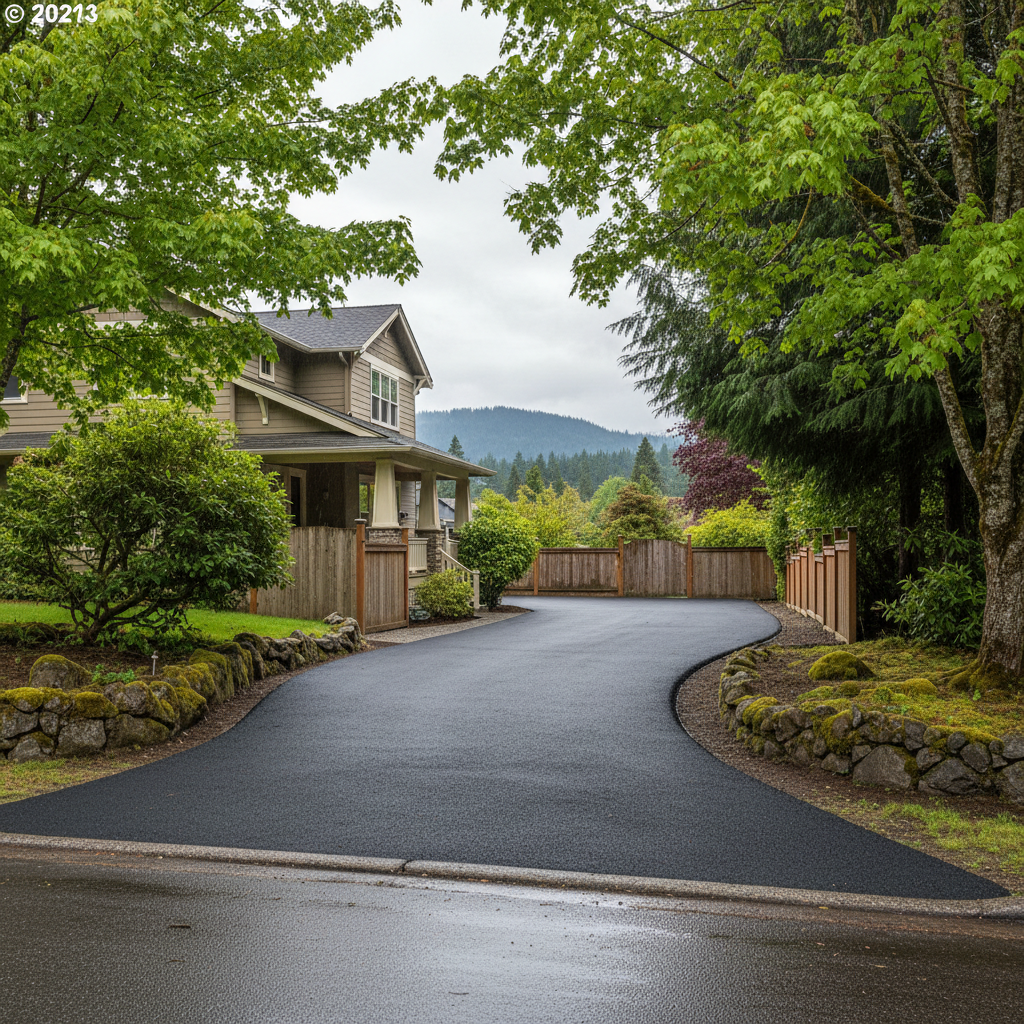
You've got a driveway that needs some love, or maybe you're putting in a new one. Great. But in Seattle, you can't just call up a paving company any old time and expect the best results. Our weather dictates a lot, and if you don't play by its rules, you're just throwing money away.
When's the Best Time to Pave in Seattle?
This is probably the most common question I get, and for good reason. The short answer? Late spring through early fall. Think May, June, July, August, and maybe early September. What we need for a quality asphalt job is consistent, dry weather, and a ground temperature that's warm enough for the asphalt to cure properly. That's usually above 50 degrees Fahrenheit, and ideally, we want a stretch of several days without rain.
Why is that so important? When we lay hot asphalt, it needs to cool and compact without a bunch of water getting in the way. If it's too cold, or if it rains shortly after, the asphalt can cool too quickly, not bond right, and you'll end up with a weaker surface. We're talking about premature cracking, raveling, and a driveway that just won't last as long. I've seen it happen when folks try to rush a job in October, thinking they can beat the real wet season. It's a gamble, and usually, it doesn't pay off.
So, my advice? Plan ahead. If you know you need paving work, start getting quotes in late winter or early spring. Good contractors book up fast during our prime paving season.
Weather Conditions That Affect Asphalt Work
Beyond just the season, specific weather conditions play a huge role. We're always watching the forecast like a hawk.
- Rain: This is the big one. We can't pave in the rain, period. Water on the surface prevents proper bonding. Even if it's just a light drizzle, it can mess things up. We need a dry surface to work on, and ideally, no rain in the forecast for at least 24-48 hours after the pour.
- Temperature: As I mentioned, we need warm temperatures. Not just air temperature, but ground temperature too. If the ground is too cold, the asphalt cools too fast, making it hard to compact properly. This is especially true for larger jobs where the asphalt takes longer to lay and roll.
- Humidity: While not as critical as rain or temperature, high humidity can sometimes affect how quickly the asphalt cools and cures. It's usually less of a concern than direct moisture.
- Wind: Strong winds can cool the asphalt too rapidly, similar to cold temperatures. It's another factor we consider, especially on exposed sites.
This is why sometimes we might have to reschedule. It's not because we don't want to get the job done; it's because we want to do it right. Oasis Asphalt Paving prides itself on quality, and that means respecting what the weather allows.
Protecting Your Asphalt Investment Year-Round
Once your beautiful new driveway is in, you want it to last, right? Here's how you can protect it, especially with Seattle's unique climate challenges.
Sealcoating is Your Best Friend
Think of sealcoating as sunscreen and a rain jacket for your driveway. It protects against UV rays, which can dry out the asphalt and make it brittle, and it provides a barrier against water penetration. Our constant Seattle drizzle and downpours can really take a toll. Water seeping into tiny cracks expands when it freezes (not super common here, but it happens) and contracts, slowly breaking down the surface. Sealcoating every 2-3 years, depending on traffic and sun exposure, is a smart move. It's a small investment that significantly extends the life of your driveway.
Address Cracks Early
See a crack? Don't ignore it. Even a hairline crack is an open invitation for water to get underneath your asphalt. Once water gets under there, especially with our clay-heavy soils common in areas like West Seattle or Beacon Hill, it can soften the base layer. Then, with traffic, you'll start seeing potholes or bigger sections breaking apart. Get those cracks filled as soon as you notice them. It's a much cheaper fix than waiting until you need a whole new section paved.
Keep it Clean and Clear
Leaves, dirt, and debris can hold moisture against your asphalt. Regularly sweep or blow off your driveway. Also, watch out for oil and gas spills. These can dissolve the binders in asphalt, weakening it. Clean them up quickly with an absorbent material and then wash the area with a mild detergent.
Manage Drainage
Make sure water isn't pooling on your driveway. Proper drainage is crucial. If you have areas where water consistently sits, it's going to degrade that spot much faster. Sometimes, a simple French drain or adjusting landscaping can make a big difference.
Taking these steps will help ensure your asphalt driveway stands up to our Seattle weather for years to come. It's all about understanding our local conditions and being proactive.