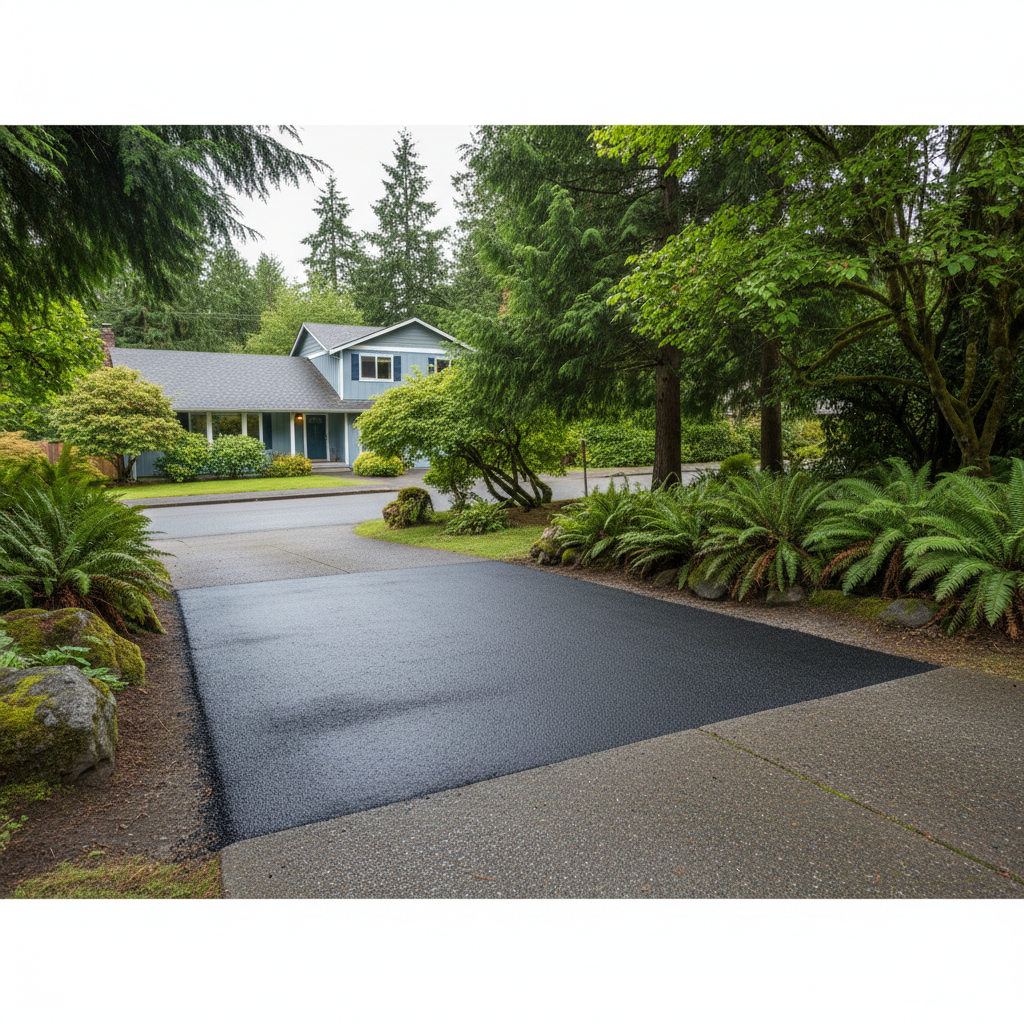
Alright, let's talk about asphalt patching. Nobody likes seeing cracks and potholes pop up on their driveway or parking lot. It's an eyesore, a trip hazard, and if you ignore it, it's only going to get worse and cost you a lot more down the road. You're probably wondering, "What's this going to set me back?" That's a fair question, and it's not always a simple answer, but I can give you a solid idea of what to expect here in Seattle.
What Drives the Price Tag on Asphalt Patching?
When I'm putting together a quote for a patching job, I'm looking at a few key things. It's not just about how big the hole is; there's more to it.
- Size and Depth of the Damage: This is the most obvious one. A small, shallow pothole is going to be cheaper to fix than a large, deep section of crumbling asphalt. We're talking about the square footage or yardage that needs repair, and how much material we'll need to dig out and replace.
- Type of Patching Method: There are a few ways to patch asphalt. For minor stuff, sometimes a simple surface patch (filling a crack or shallow depression) will do. But for real potholes or alligator cracking, you're usually looking at a 'cut and patch' or 'remove and replace' method. That means we're cutting out the damaged section, digging down to the base, and rebuilding it properly. This is more labor-intensive and uses more material, so it costs more.
- Accessibility of the Area: Is it an easy-to-reach driveway, or is it a tight spot in a busy commercial lot in, say, Capitol Hill, where we need to manage traffic and work around obstacles? The tougher it is to get equipment and crew in and out, the more time and effort it takes, which bumps up the price.
- Base Material Condition: This is huge. If the problem is just the top layer of asphalt, that's one thing. But if the underlying gravel base has failed due to poor drainage or our lovely Seattle rain soaking into it for years, we'll need to address that too. Repairing the base adds to the cost, but it's essential for a lasting repair.
- Material Costs: Asphalt isn't cheap, and its price can fluctuate. We use quality hot-mix asphalt for durable repairs, and that's a significant part of the material cost.
- Disposal Fees: When we cut out old asphalt, we have to haul it away and dispose of it properly. Landfill fees are a factor.
Typical Cost Ranges for Asphalt Patching in Seattle
Okay, let's get down to brass tacks. I can't give you an exact number without seeing the job, but I can give you some realistic ranges based on what we see around here at Oasis Asphalt Paving.
- Small Pothole (e.g., 1-2 sq ft, shallow): For a quick, isolated fix, you might be looking at around $150-$300. This is often a minimum charge because even for a small job, there's still the cost of getting a crew and equipment to your site.
- Medium Patch (e.g., 10-20 sq ft, 2-4 inches deep): For a more substantial cut-and-patch job, where we're addressing a few connected cracks or a larger pothole, expect something in the range of $400-$800.
- Larger Area Patching (e.g., 50-100 sq ft, deeper repair, base work): If you've got a section of driveway or a parking lot that's really deteriorated, requiring significant removal and replacement, including some base repair, you could be looking at $1,000-$3,000 or more. For these larger areas, the per-square-foot cost might come down a bit compared to tiny patches, but the overall total goes up.
Keep in mind these are general ranges. Every job is unique.
What Should a Good Quote Include?
When you get a quote from me or any reputable contractor, it should be clear and detailed. Here's what you want to see:
- Specific Scope of Work: It should clearly state what areas will be patched, the dimensions, and the depth of the repair.
- Method of Repair: Will it be a simple surface patch, or a full cut-and-replace?
- Materials Used: Hot-mix asphalt, aggregate base, tack coat (the adhesive layer between old and new asphalt).
- Preparation Steps: Will they clean the area, cut out precise edges, compact the base?
- Cleanup and Disposal: Confirmation that old materials will be removed and disposed of.
- Warranty: A good contractor will stand behind their work. Ask about it.
- Total Cost: Obviously, the final price.
How to Avoid Overpaying for Asphalt Patching
You don't want to get ripped off, and you shouldn't. Here's my advice:
- Get Multiple Quotes: Don't just go with the first guy. Get at least two or three detailed quotes. This helps you compare apples to apples and understand the market rate for your specific job.
- Ask for References and See Past Work: A good contractor will have no problem showing you other jobs they've done. Look at the quality of their work.
- Understand the Scope: Make sure you know exactly what's included in the price. Don't assume. If a quote is significantly lower than others, it might be cutting corners somewhere.
- Don't Fall for High-Pressure Tactics: If someone tells you they can do it right now for a "special discount" that expires today, be wary. Quality work takes planning.
- Check for Licensing and Insurance: This is non-negotiable. Make sure they're properly licensed and insured to work in Washington State. You don't want liability if something goes wrong.
Patching your asphalt isn't just about making it look better; it's about protecting your investment and preventing more expensive problems down the line. Do it right the first time, and you won't have to worry about it again for a long while.