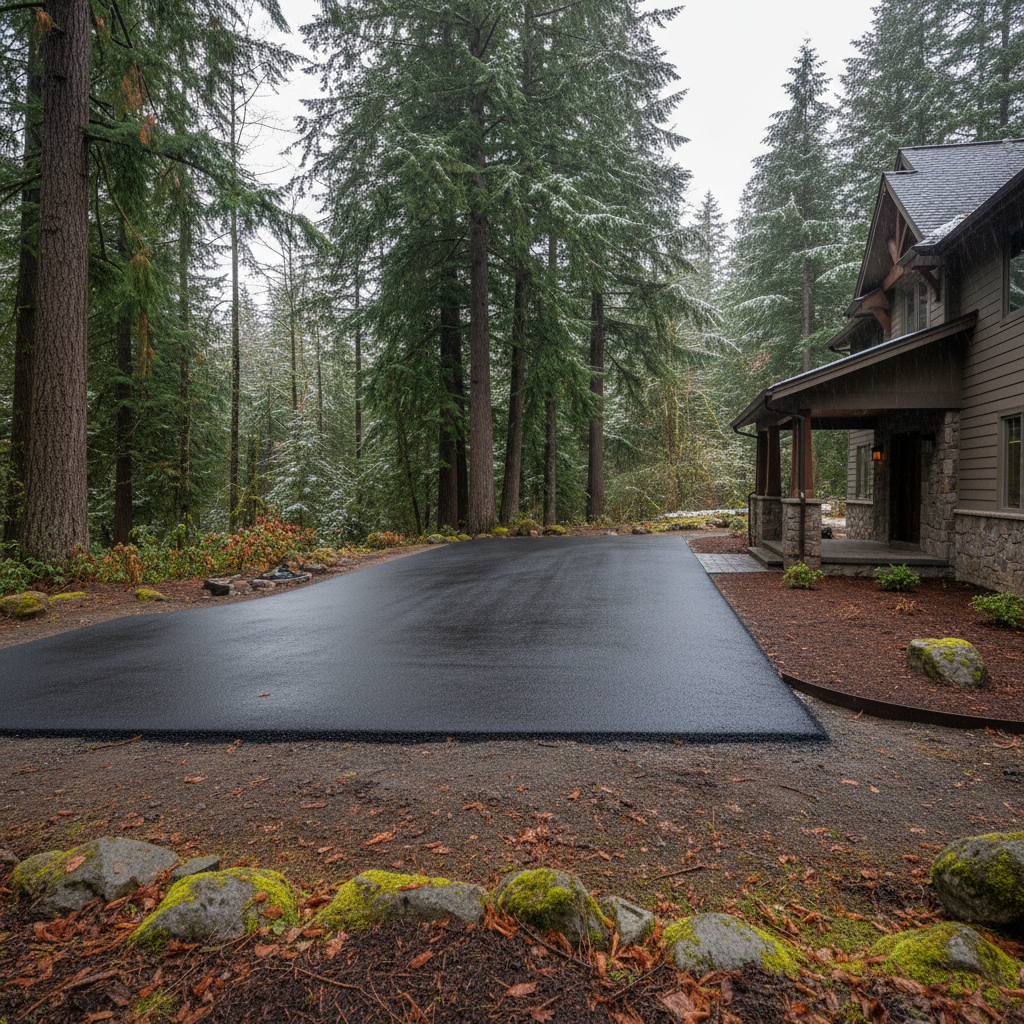
When it comes to your commercial asphalt here in Seattle, timing isn't just a suggestion; it's everything. You've got a parking lot, a private road, or some other paved surface that sees a lot of traffic, and you need it to hold up. But our weather, with its long, wet winters and sometimes surprisingly hot summers, throws a wrench into things if you're not planning ahead.
When's the Best Time for Commercial Asphalt Work in Seattle?
Look, I'm not going to beat around the bush: the sweet spot for any major asphalt work – paving, overlays, even extensive patching – is typically late spring through early fall. Think May, June, July, August, maybe even early September if we get a dry stretch. Why then? Because asphalt needs warmth to cure properly. It's a temperature-sensitive material. When we're laying down new asphalt, it's hot, and it needs that ambient heat to cool down and compact correctly. If it's too cold, it cools too fast, and you don't get the proper compaction, which means a weaker surface that won't last as long.
We need dry conditions, too. Water and fresh asphalt don't mix. If you've got a crew trying to pave in a downpour, you're just asking for trouble. The base needs to be dry, the subgrade needs to be stable, and the surface needs to be clear of standing water for the new material to bond correctly. That's why those long, sunny stretches we get in July and August are gold for us. You might think, "Oh, it's just a little drizzle," but even that can mess with the adhesion and overall quality of the finished product. We're talking about a significant investment here, so you want it done right the first time.
Weather Conditions That Affect Asphalt Work
Beyond just rain and temperature, there are a few other things we keep an eye on. High humidity, for instance, can slow down the curing process. Strong winds can cool the asphalt too quickly or blow debris onto a fresh surface. And while Seattle isn't known for extreme heat waves like some other places, a string of 90-degree days can also present challenges, requiring us to adjust our methods to prevent premature cracking or rutting during compaction.
You'll often hear us talking about the 'weather window.' It's not just about today's forecast; it's about the forecast for the next few days. We need a consistent stretch of good weather to ensure the asphalt has time to set up and gain strength. This is especially true for larger commercial projects where we're covering a lot of ground. We can't just stop halfway through a parking lot because the weather turned. It needs to be a continuous operation for the best results.
Protecting Your Commercial Asphalt Investment Year-Round
Once your asphalt is down, the work isn't over. Protecting that investment, especially with our Seattle climate, is crucial. Here's what you need to be thinking about:
- Drainage is King: I can't stress this enough. Our constant rain means water management is paramount. Make sure your drainage systems are clear and functioning. Puddles and standing water are the absolute enemy of asphalt. They seep into cracks, get under the surface, and when the temperature drops, that water freezes, expands, and blows your asphalt apart. This is especially true in areas like Ballard or Georgetown where you might have older infrastructure or lower-lying spots.
- Regular Inspections: Walk your lot regularly. Look for small cracks, potholes, or areas where water is pooling. Catching these issues early is always cheaper than waiting until they become major problems. A small crack can be sealed easily; a network of alligator cracking means you're looking at a much bigger repair.
- Sealcoating: This is like sunscreen for your asphalt. It protects against UV rays, which can dry out the binder in the asphalt, making it brittle. It also provides a protective barrier against water and chemicals. For commercial properties, I usually recommend sealcoating every 2-3 years, depending on traffic volume and the condition of the surface. It extends the life of your pavement significantly.
- Prompt Repairs: Don't let those small cracks turn into big potholes. Patching and crack filling are essential maintenance tasks. If you see a problem, get it fixed. It prevents water intrusion and stops the damage from spreading.
- Sweeping and Cleaning: Keep your lot clean. Debris, leaves, and dirt can trap moisture and accelerate deterioration. Regular sweeping also helps keep drainage clear.
At Oasis Asphalt Paving, we've seen it all when it comes to Seattle's commercial asphalt. We know what works and what doesn't in this climate. Don't wait until you've got a major issue on your hands. Be proactive, understand the best times for work, and keep up with that year-round maintenance. Your asphalt will thank you for it, and so will your bottom line.